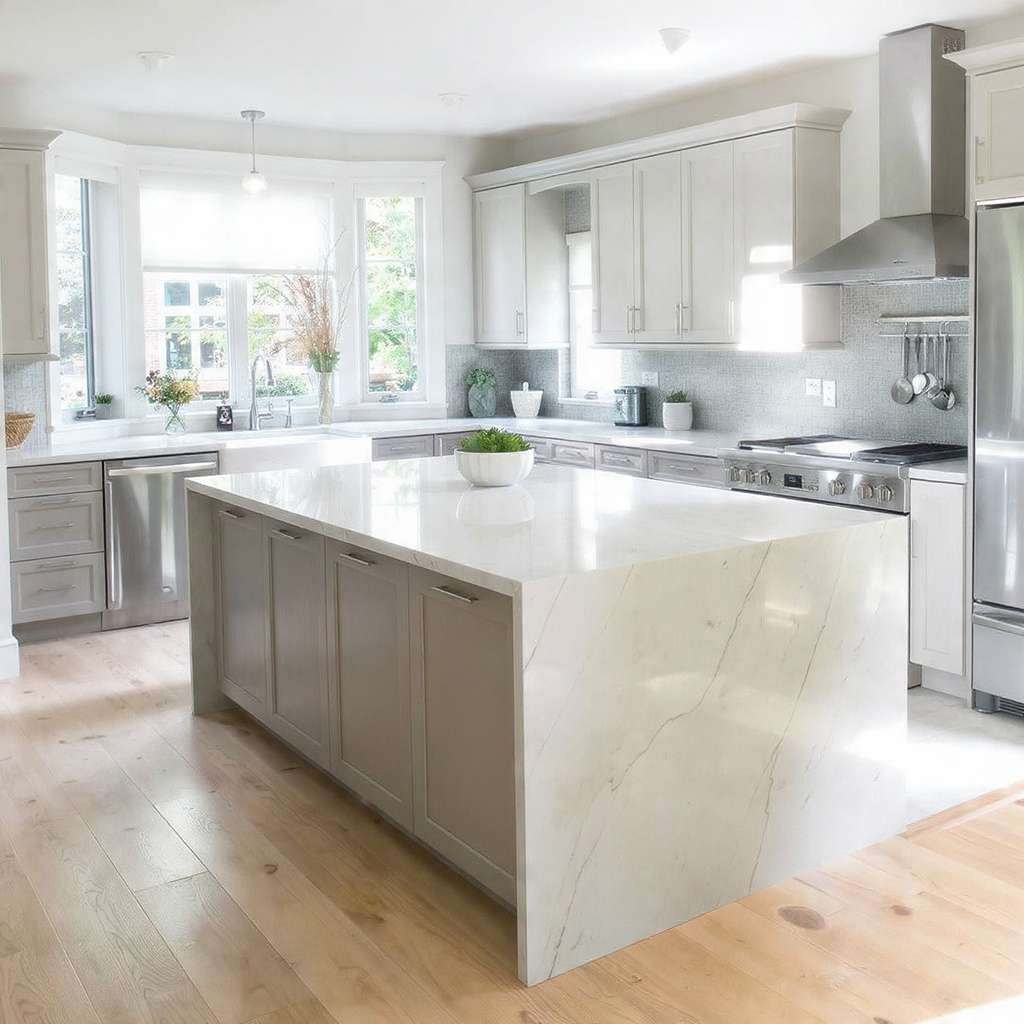
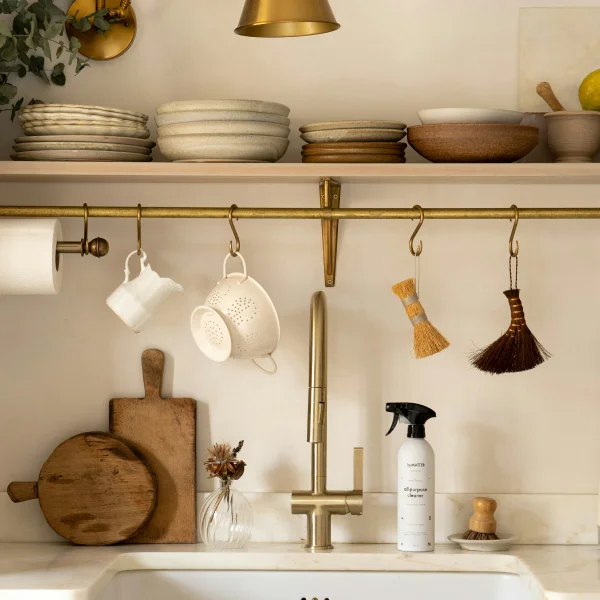
There are few home improvement projects as rewarding for a homeowner as a kitchen remodel. When done right, it can be the difference between a house and a home – an inviting place to cook and put your feet up that also adds to your property’s value. But make no mistake, it is one of …
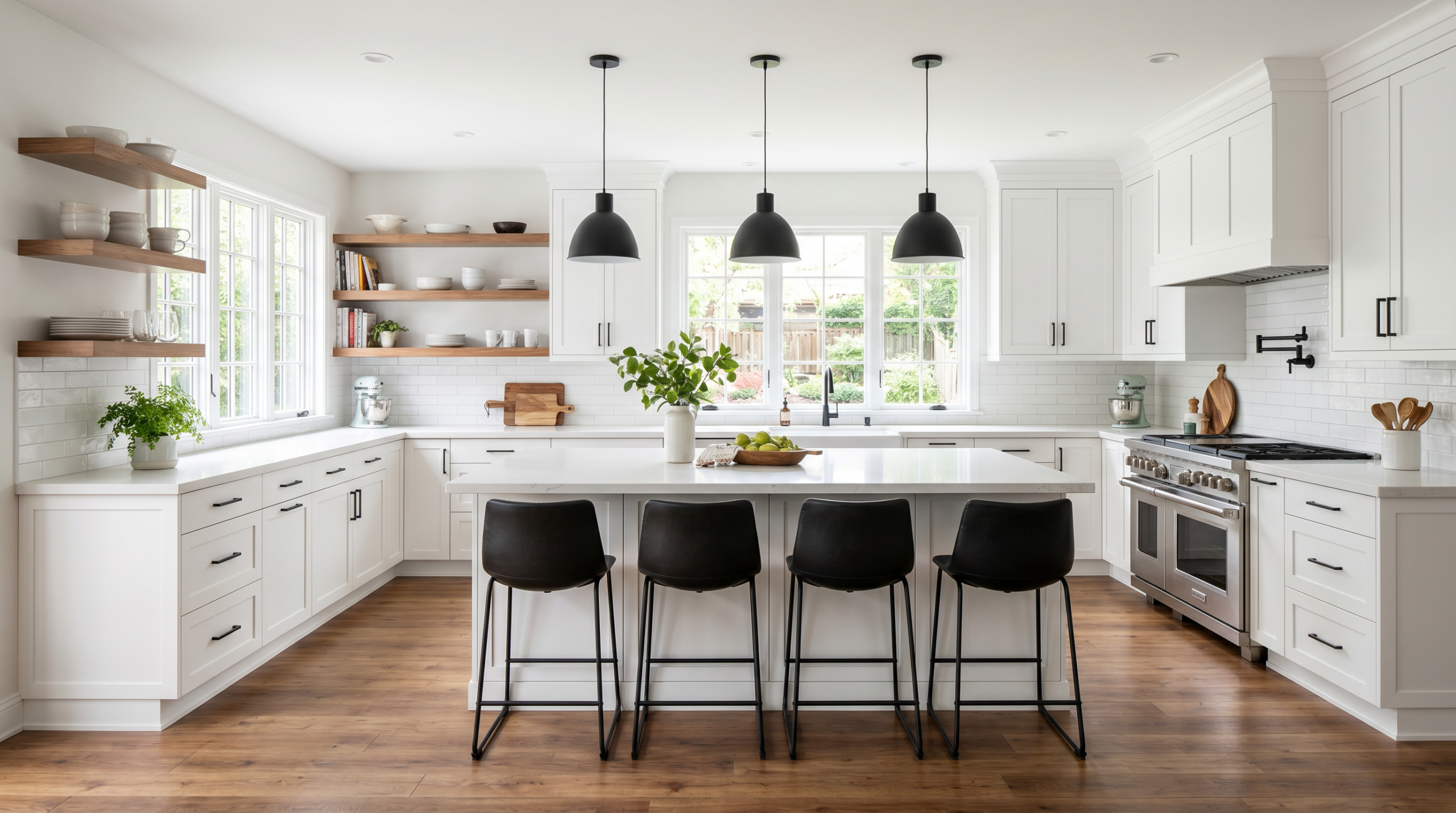

There are few home improvement projects as rewarding for a homeowner as a kitchen remodel. When done right, it can be the difference between a house and a home – an inviting place to cook and put your feet up that also adds to your property’s value. But make no mistake, it is one of the more complicated undertakings in the world of remodeling. You have to juggle everything from design and permits to contractors and installation schedules.
The trouble is, many homeowners set out with good intentions and run into avoidable snags that result in delays, cost overruns, and second-guessing their design choices. The line between frustration and a smooth process is usually in the planning. If you know what pitfalls to watch for, you can sidestep them and end up with a kitchen that is as practical as it is beautiful.
1. Not being realistic with the budget
Underestimating the final tab is perhaps the most common error. Homeowners will put a price on the nice new cabinets, the flooring, and the appliances, but a kitchen renovation has a way of costing more than those visible items. Then you factor in labor, demolition, plumbing and electrical work, and the numbers add up fast.
Your budget needs to have some give in it. We recommend putting aside a contingency of 10 to 20 per cent for when you uncover something like old wiring or water damage behind the walls during demo. Without that cushion, you might find yourself halting the project or settling for inferior materials. It is about prioritising where your money goes; a solid quartz top or well-made cabinetry is a better long-term investment than some decorative flourish.
2. Letting style get in the way of function
You want your kitchen to look good, but not at the expense of how you use it. A lot of people make the mistake of picking features for their looks alone. Open shelving is all the rage in the magazines, but in real life it is a magnet for clutter and demands constant tidying. An island that is too big for the room will only get in the way.
Good design is a balance. Think about the traffic in the room and what your family needs. The old rule of the work triangle between the sink, fridge and stove still holds up for an efficient layout, even if modern kitchens are putting more emphasis on prep zones and built-in appliances.
3. Underestimating your storage needs
It is easy to think you have enough room for things until the remodel is done and you are left with nowhere to put your tools. A kitchen devoid of proper pantry space or organisational features becomes a chore to work in.
Take stock of your cookware and small appliances before you lock in the plans. There are plenty of modern cabinet solutions to make the most of the space, from deep drawers and pull-out shelves to vertical dividers and corner inserts. If you’re planning a full kitchen renovation, the experts at AAA Organized Plumbing can help ensure your layout is both practical and efficient from the start.
4. Going for the cheapest option
Trying to save a few dollars by choosing the lowest-priced materials can be a false economy. Kitchens are hard on surfaces with the heat, moisture, and cleaning they see every day. Inexpensive laminate or flimsy hardware in a high-traffic area won’t hold up.
Look at performance, not just the sticker price. Sure, stainless steel appliances or solid wood cabinets will set you back more initially, but they last. Engineered quartz is a favourite for countertops because it is nonporous and doesn’t require much fuss. Be smart about it, and you will have a kitchen that stands the test of time.
5. Forgetting about the lighting
You would be surprised how often lighting is an afterthought. Relying on one overhead light will leave your kitchen feeling dark and uninviting no matter how well designed it is. You need a plan that works for cooking and entertaining alike. Typically, you want to layer your lighting: ambient, task, and accent. You can rely on recessed ceiling lights or pendants for your general lighting needs, and put in some under-cabinet fixtures to put a little extra light on the counters where you are prepping. For a touch of style, accent lighting is a good way to draw the eye to an island, backsplash, or any architectural features you want to show off.
But don’t forget about natural light if you can have it. Whether it is by way of a larger window, a skylight, or finishes that reflect the light, these things will open up the kitchen and make it more of an inviting place. In the end, good lighting is what gives a room its atmosphere and function, so it is a must for any remodel.
6. Not Hiring the Right Contractor
There is no mistake more expensive than picking the wrong contractor; it has a way of derailing the whole process. A kitchen job is no small matter and calls for someone who can put together a team of carpenters, electricians, plumbers, and tile work with skill. If you do not check their credentials, insurance, and licensing first, you may be left with subpar work, delays, and a lot of miscommunication.
Before you commit, sit down with a few contractors, look at their past work, and get a detailed estimate. You want a general contractor who is upfront about the scope of work, the payment schedule, and how he handles change orders. Open lines of communication are key when the unexpected happens during a demo. And make sure they are well-versed in local building codes and design principles so the work is safe and built to last.
7. Making Design Changes Too Late
It is all too common to see homeowners try to alter the design once construction is underway. Those last-minute changes will add to the cost and throw the schedule off. Try changing the cabinet size after the countertop is measured or moving the appliances after the electrical rough-in, and you will be looking at some serious hold-ups.
The best course of action is to have the design locked in before you start tearing anything down. That means you know exactly what hardware, sink placement, and appliance specs you want. If you are working with a design-build firm, they can help you make those decisions without the headache of having to go back and make costly revisions.
8. Forgetting About Workflow and Daily Habits
Your remodel should be a reflection of the way you and your family live, cook, and put on a show for guests. Some put too much stock in what looks good and ignore the day-to-day routine. An open-concept plan with a beverage station might suit a home where there is a lot of entertaining, but a family that is in the kitchen every night will want a bigger range and better pantry space.
Since the kitchen is one of the most active rooms in the house, you need to think about workflow. The positioning of the fridge, dishwasher, trash pull-out, and prep area should allow you to move around with ease. Don’t just copy a trend from social media; tailor the layout to the user.
9. Underestimating the Timeline
Homeowners tend to be overly optimistic about how long a kitchen project will take. Then come the permit approvals, material shortages, and the occasional construction hiccup, and suddenly you are without a working kitchen for weeks or months longer than you thought.
Be realistic. Your timeline has to account for everything from design and ordering to the rough-ins, inspections, and the finishing touches. It also pays to have a plan for where you will be cooking while the work is being done. A little planning for the disruption goes a long way in keeping stress levels down.
10. Neglecting Permits and Building Codes
Some will try to sidestep permits to put a few dollars in their pocket or save time, but that is a recipe for trouble. Any work on the gas lines, plumbing, structure, or electrical is going to need to be up to code and inspected. If you don’t do it right, you could be looking at safety issues or headaches down the road when you put the house on the market.
Permits can feel like red tape, but they are part of doing things properly. Let your contractor sort out what is required to keep you in compliance.
Final Thoughts
When you put the money into a kitchen remodel, you are investing in the value and comfort of your home. But to get a result you can be happy with, you have to steer clear of the usual pitfalls: shoddy materials, weak planning, poor budgeting, and the like. Consider contacting Father and Son Building and Remodeling for your next remodeling project.
If you take a methodical approach and make your choices with an eye toward durability and function, you will end up with a kitchen that is as easy to live in as it is to look at.
Be the first to read my stories
Get Inspired by the World of Interior Design

rankthrive3@gmail.com
Fahad is the co-founder of Kitchen Counter Height, a home design blog built around practical ideas that actually work. He’s been creating and marketing content online for over 5 years, helping homeowners make smart choices for modern kitchens. With a background in digital marketing and a love for interior design, Fahad turns complex design concepts into simple, actionable tips. His work focuses on kitchen planning, counter height guides, and real-world home improvement insights. When he’s not writing, you’ll usually find him exploring new design trends or optimizing brand strategies.