A home is more than just a place to live it is a reflection of your personality, lifestyle, and aspirations. Whether you own a condominium in downtown Toronto, a townhouse in North York, or a luxury residence in Etobicoke, thoughtful interior design can dramatically enhance both the beauty and functionality of your space. This is …


A home is more than just a place to live it is a reflection of your personality, lifestyle, and aspirations. Whether you own a condominium in downtown Toronto, a townhouse in North York, or a luxury residence in Etobicoke, thoughtful interior design can dramatically enhance both the beauty and functionality of your space. This is where professional residential interior designers Toronto homeowners trust can make all the difference.
From space planning and furniture selection to custom millwork and lighting design, residential interior designers help homeowners transform ordinary interiors into exceptional living environments. In a city as diverse and dynamic as Toronto, investing in professional design services ensures your home meets your practical needs while expressing your unique style.
Why Hire Residential Interior Designers in Toronto?
Many homeowners assume interior design is only for luxury homes, but professional design services offer value for properties of all sizes and budgets. A skilled designer brings expertise, creativity, and project management skills that save time, reduce costly mistakes, and maximize the potential of your home.
Toronto’s residential market is highly competitive, and homeowners often seek ways to increase comfort while boosting property value. Interior designers understand local architectural styles, current trends, and the specific challenges associated with urban living spaces. Also check this : Interior Designer in Toronto
By working with experienced residential interior designers, homeowners gain access to:
- Customized design solutions
- Efficient use of available space
- Professional material and furniture sourcing
- Cohesive aesthetic planning
- Budget management
- Increased property value
- Stress-free renovation coordination
Understanding Residential Interior Design
Residential interior design focuses on creating functional and aesthetically pleasing spaces within homes. Unlike commercial design, which prioritizes business objectives, residential design centers around the homeowner’s lifestyle, habits, and preferences.
Professional designers carefully evaluate how residents use their spaces and develop layouts that improve daily living. Their work may include:
Space Planning
Proper space planning ensures every room functions efficiently. Designers analyze traffic flow, furniture placement, storage requirements, and room proportions to create balanced and practical layouts.
Furniture Selection
Choosing furniture involves more than matching colors and styles. Designers consider scale, comfort, durability, and functionality to ensure each piece complements the overall design.
Color Consultation
Color significantly impacts mood and perception. Residential interior designers help homeowners select palettes that create harmony while reflecting personal preferences.
Lighting Design
Effective lighting enhances ambiance and functionality. Designers layer natural light, ambient lighting, task lighting, and accent lighting to create inviting spaces.
Material Selection
From flooring and countertops to wall finishes and textiles, designers guide homeowners toward materials that balance aesthetics, durability, and budget considerations.
Popular Residential Interior Design Styles in Toronto
Toronto is one of the most multicultural cities in the world, and its residential design landscape reflects this diversity. Homeowners often combine multiple influences to create personalized interiors.
Modern Contemporary
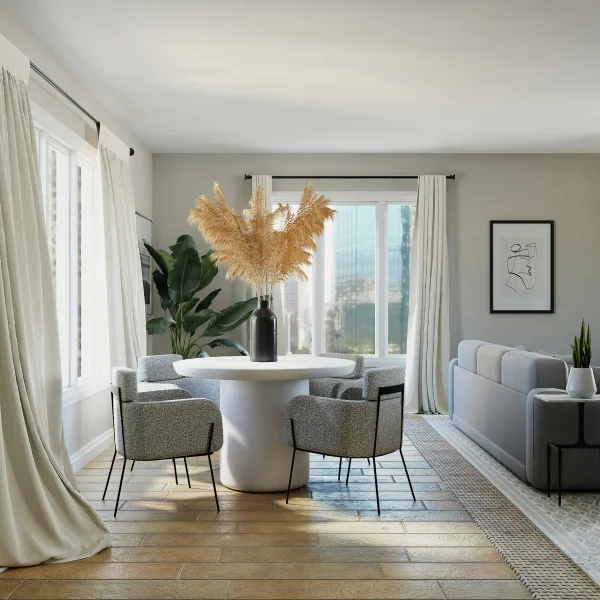
Modern contemporary design emphasizes clean lines, neutral palettes, and uncluttered spaces. This style remains highly popular among condominium owners and urban professionals.
Key features include:
- Open layouts
- Minimalist furniture
- Large windows
- Neutral tones
- Sleek finishes
Transitional Design
Transitional interiors blend traditional elegance with modern simplicity. This balanced style appeals to families seeking timeless sophistication.
Characteristics include:
- Neutral color schemes
- Comfortable furnishings
- Mixed textures
- Subtle decorative details
- Clean architectural lines
Scandinavian Design
Scandinavian-inspired interiors focus on simplicity, functionality, and natural materials. The style is particularly popular in Toronto’s urban residences.
Features include:
- Light color palettes
- Natural wood elements
- Functional furniture
- Minimal decoration
- Cozy accents
Luxury Contemporary
Luxury contemporary homes often feature premium materials, custom finishes, and sophisticated detailing.
Design elements may include:
- Custom millwork
- Designer lighting
- Marble surfaces
- High-end furnishings
- Smart home integration
The Residential Interior Design Process
Working with residential interior designers Toronto homeowners rely on typically follows a structured process designed to achieve successful results.
Initial Consultation
The project begins with a detailed discussion about goals, preferences, lifestyle requirements, and budget. Designers assess the property and identify opportunities for improvement.
Concept Development
Based on client input, designers create mood boards, color palettes, material selections, and preliminary design concepts.
Design Planning
Detailed floor plans, furniture layouts, lighting schemes, and finish selections are developed to guide implementation.
Procurement
Designers source furniture, fixtures, accessories, and materials from trusted suppliers while coordinating deliveries and schedules.
Project Management
For renovation projects, designers often collaborate with contractors, architects, and tradespeople to ensure smooth execution.
Final Styling
The final phase involves installing furnishings, artwork, accessories, and decorative elements that bring the vision to life.
Benefits of Professional Residential Interior Design
Maximized Functionality
Designers optimize layouts to improve comfort and usability. Every square foot serves a purpose, which is especially important in Toronto’s condominiums and smaller urban homes.
Personalized Design
Professional designers create spaces tailored to individual lifestyles, ensuring the finished home feels unique and authentic.
Time Savings
Managing a design project independently can be overwhelming. Designers streamline decision-making and coordinate multiple project components.
Access to Industry Resources
Many designers have access to exclusive suppliers, custom manufacturers, and trade-only furnishings unavailable to the general public.
Increased Home Value
Well-designed homes often attract more buyer interest and command higher resale prices in Toronto’s competitive real estate market.
Residential Design Trends in Toronto
Toronto homeowners continue to embrace innovative design trends that combine comfort, sustainability, and modern living.
Sustainable Design
Eco-conscious homeowners increasingly prioritize sustainable materials, energy-efficient lighting, and environmentally responsible furnishings.
Multifunctional Spaces
Remote work has increased demand for flexible spaces that accommodate home offices, study areas, and recreational activities.
Natural Elements
Designers frequently incorporate natural materials such as wood, stone, and organic textiles to create warm, welcoming interiors.
Smart Home Integration
Technology plays a growing role in residential design, with automated lighting, climate control, security systems, and entertainment solutions becoming standard features.
Wellness-Focused Interiors
Designers are creating healthier living environments through improved lighting, air quality, biophilic design, and calming color palettes.
Choosing the Right Residential Interior Designer in Toronto
Selecting the right designer is one of the most important decisions in any home improvement project.
When evaluating potential designers, consider:
Portfolio Quality
Review previous projects to determine whether the designer’s style aligns with your vision.
Experience
Look for professionals with experience handling projects similar in size, scope, and style to your own.
Communication Skills
Successful design projects require clear communication and collaboration throughout the process.
Client Reviews
Testimonials and reviews provide valuable insights into a designer’s professionalism, reliability, and project outcomes.
Budget Transparency
Choose designers who provide clear estimates and maintain open communication regarding project costs.
Residential Interior Design for Different Property Types
Condominiums
Toronto’s condo market presents unique design challenges due to limited square footage. Designers maximize functionality through smart storage solutions, multifunctional furniture, and efficient layouts.
Townhouses
Townhouses benefit from cohesive design strategies that connect multiple levels while maintaining visual consistency.
Detached Homes
Larger homes provide opportunities for custom features, dedicated entertainment areas, luxury kitchens, and personalized living spaces.
Luxury Residences
Luxury projects often involve bespoke furniture, custom millwork, premium finishes, and sophisticated architectural detailing.
Final Thoughts
Creating a beautiful home requires more than selecting attractive furniture and paint colors. It involves thoughtful planning, expert knowledge, and a clear understanding of how design influences daily life. Professional residential interior designers Toronto homeowners trust bring creativity, technical expertise, and project management skills that help transform ordinary houses into extraordinary homes.
Whether you’re renovating a condominium, updating a family home, or designing a new residence from the ground up, partnering with an experienced interior designer can elevate every aspect of your living environment. By investing in professional residential interior design services, Toronto homeowners can create
Be the first to read my stories
Get Inspired by the World of Interior Design

rankthrive3@gmail.com
Fahad is the co-founder of Kitchen Counter Height, a home design blog built around practical ideas that actually work. He’s been creating and marketing content online for over 5 years, helping homeowners make smart choices for modern kitchens. With a background in digital marketing and a love for interior design, Fahad turns complex design concepts into simple, actionable tips. His work focuses on kitchen planning, counter height guides, and real-world home improvement insights. When he’s not writing, you’ll usually find him exploring new design trends or optimizing brand strategies.