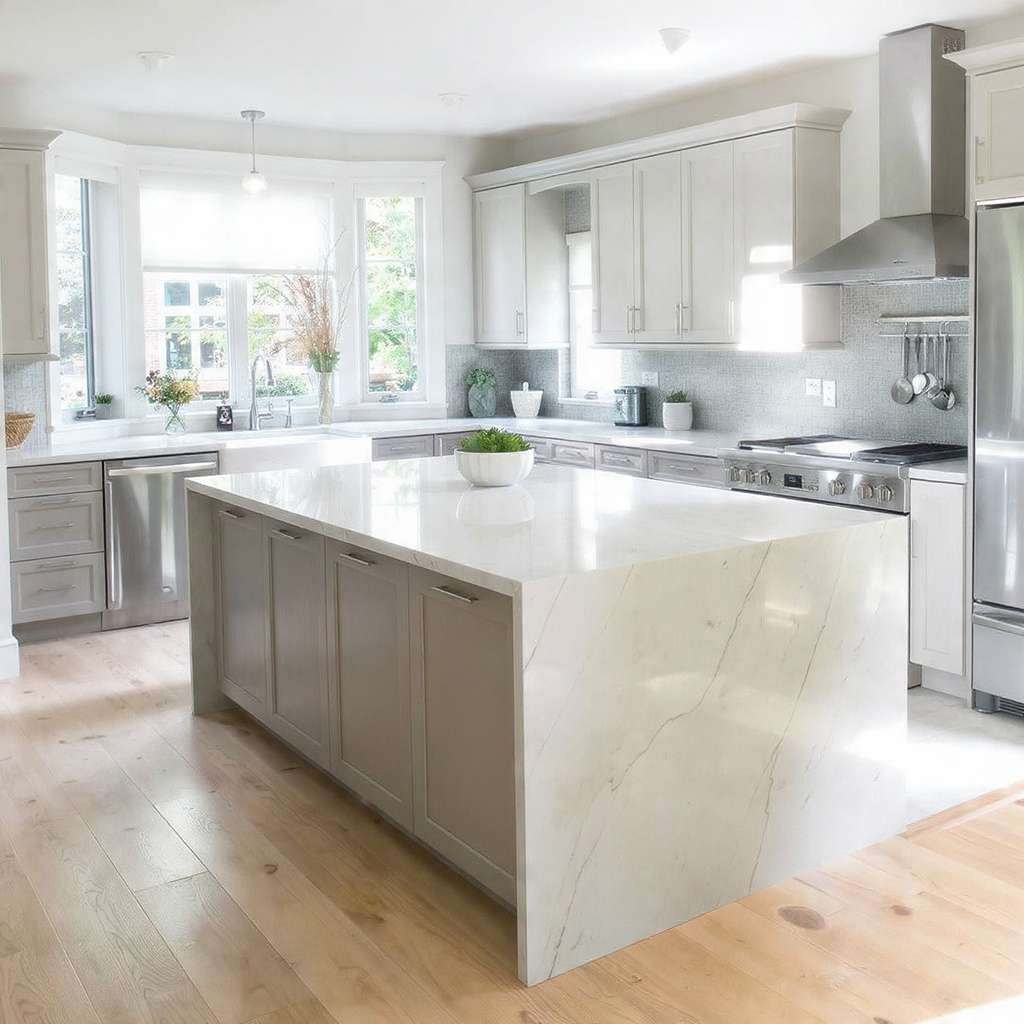
A kitchen island can totally change how your kitchen feels and works but only if it’s done right. The biggest mistakes people make are size, spacing, and poor planning. This guide breaks things down in a simple way, so you know exactly how to plan, place, and design an island that fits your space, your …
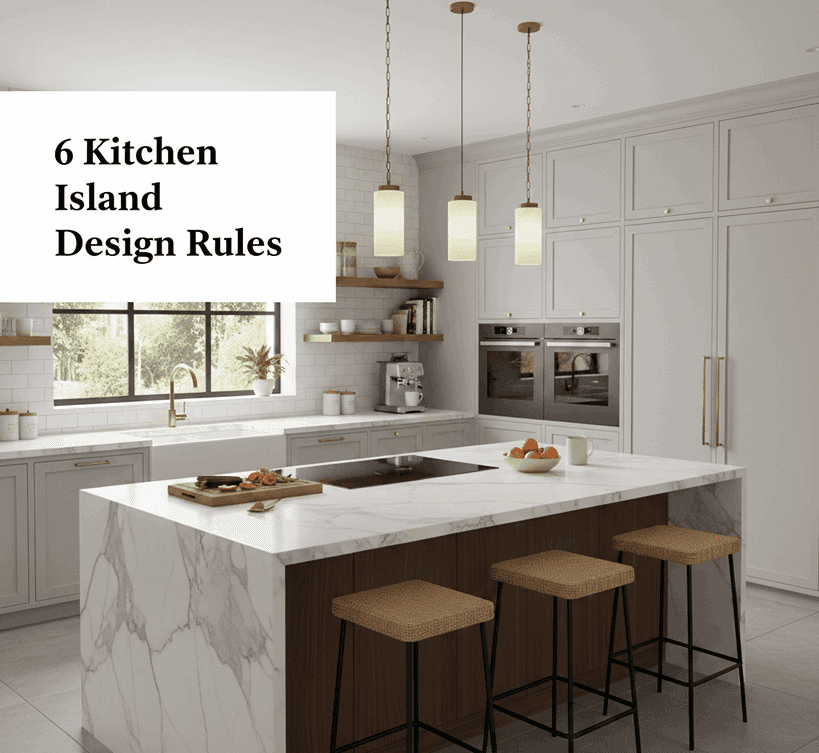

A kitchen island can totally change how your kitchen feels and works but only if it’s done right. The biggest mistakes people make are size, spacing, and poor planning. This guide breaks things down in a simple way, so you know exactly how to plan, place, and design an island that fits your space, your habits, and your kitchen layout without stress.
Rule 1 – Start With Measurements Before Anything Else
Why measurements matter more than design ideas
A kitchen island can look amazing on Pinterest, but if it blocks your fridge door or makes people squeeze past each other, it’s a fail. Real kitchens are about movement, not just looks. If you can’t open appliances properly or two people can’t pass each other without bumping elbows, the design won’t matter at all. Measurements decide how usable the island will be in daily life. Style comes later.
Kitchen island dimensions you should know
There’s no single “perfect” size that fits every kitchen, but there are smart ranges that work for most homes. The goal is balance big enough to be useful, small enough to move around easily.
Here’s what usually works well:
- Ideal kitchen island size:
Most islands feel comfortable when they’re around 4 to 6 feet long. Anything smaller can feel pointless, anything bigger can crowd the space. - Countertop height basics:
Standard countertop height is about 36 inches. This feels natural for prep work and doesn’t strain your back over time. - Seating capacity planning:
Each person needs their own space. Cramming stools together always feels awkward, no matter how nice the island looks.
Quick sizing guidelines:
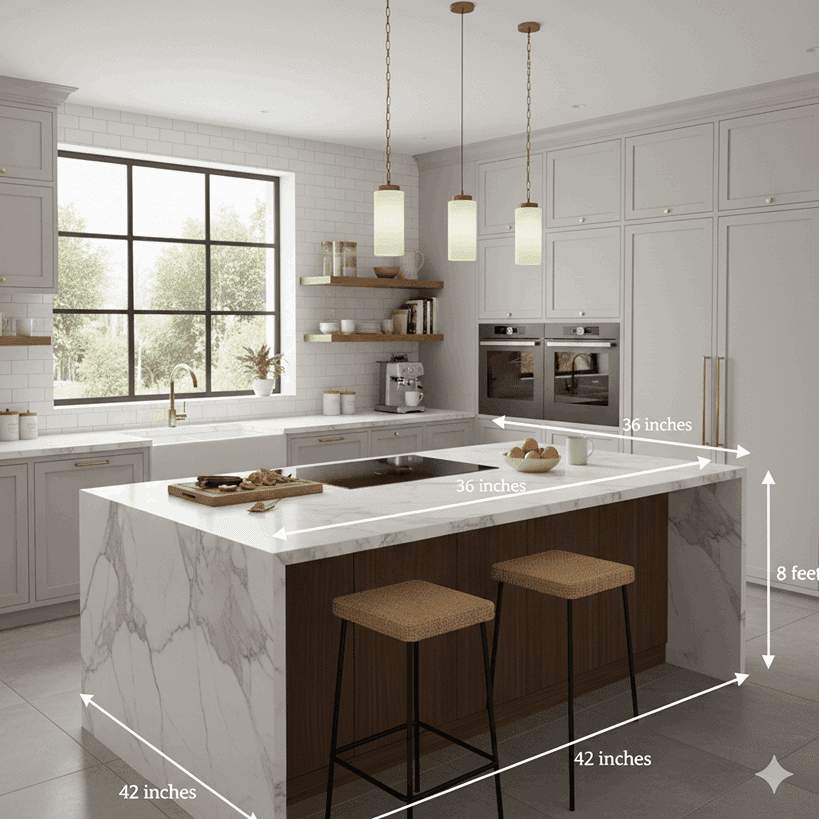
- Standard countertop height: 36 inches
- Minimum width for a functional island: 24–30 inches
- Comfortable depth for seating and prep: 36–42 inches
Depth matters more than people think. Too shallow and your knees hit cabinets. Too deep and reaching the center becomes annoying fast.
Walkway clearance and traffic flow
This is where most kitchens go wrong. You need enough walkway clearance so people can move, cook, and open appliances without chaos. Tight spaces kill traffic flow, especially when more than one person is cooking.
A good rule of thumb:
- Leave at least 42 inches of space around the island
- Go closer to 48 inches in busy or family kitchens
This spacing keeps the kitchen triangle working properly sink, stove, and fridge should all stay easy to reach. When clearance is off, everything feels harder. Cooking turns slow, doors clash, and the kitchen just feels stressful instead of smooth.
Rule 2 – Decide the Real Purpose of Your Island
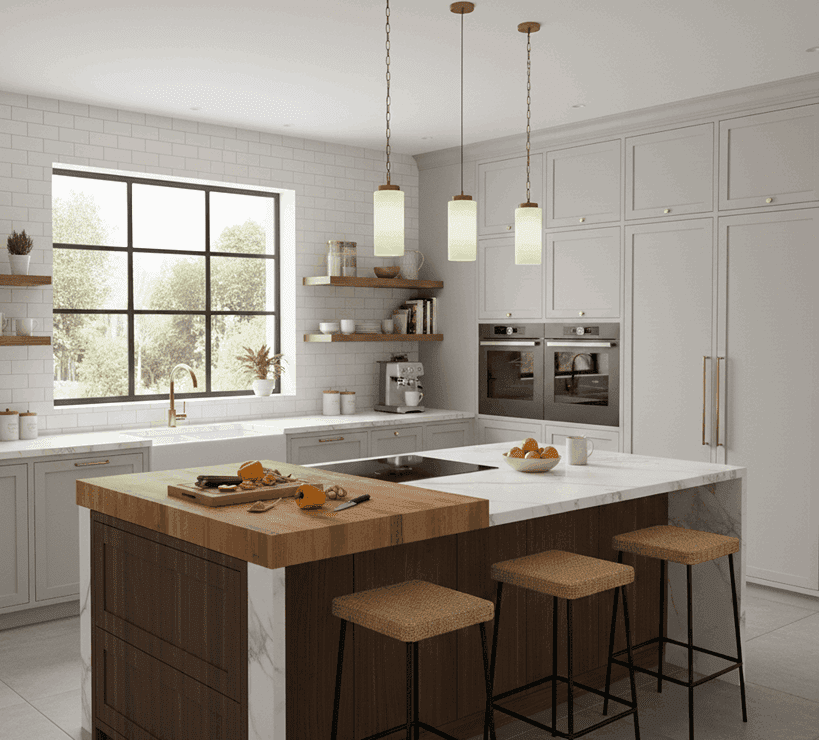
Before picking finishes or stools, stop and ask one honest question: what will this island actually be used for?
If you don’t define the purpose early, the island ends up doing a little bit of everything… and none of it well. Kitchens work best when each zone has a clear job.
Food prep island vs casual dining kitchen
A food prep island is all about getting things done. This is where chopping, mixing, and quick meals happen. It usually sits close to the sink and stove so the prep zone feels natural and efficient. Many people love a butcher block countertop here because it’s forgiving, warm, and easy to work on. It’s not fancy, but it feels right for real cooking.
A casual dining kitchen, on the other hand, uses the island as a hangout spot. Think morning coffee, kids doing homework, or friends leaning on stools while you cook. These islands focus more on seating and comfort than heavy prep. The surface matters less than legroom and spacing.
If you try to mix both without planning, things get messy fast. Either your prep space feels cramped, or your seating feels awkward. Pick the main job first, then design around it.
Storage-first islands for busy kitchens
Some kitchens just don’t have enough cabinets. In that case, the island becomes a storage hero. This is where island cabinets and drawers really shine. Deep drawers for pots, hidden trash pull-outs, and shelves for small appliances can change how the whole kitchen works.
Good storage efficiency isn’t about stuffing things in. It’s about knowing what you reach for every day and keeping it close. Smart cabinetry inside the island reduces clutter everywhere else, which honestly makes cooking less stressful.
Multi-purpose kitchen island
Most homes land somewhere in the middle. A multi-purpose kitchen island handles prep, storage, and seating all at once. This is totally fine, as long as it’s planned properly.
The key is island functionality. Prep space should stay clear. Seating shouldn’t block drawers. And appliances access like dishwashers or ovens should never feel tight or annoying to use.
This type of island works great for everyday life, but only if each function has its own space. When everything overlaps, frustration shows up fast.
Rule 3 – Follow Smart Kitchen Island Layout Rules
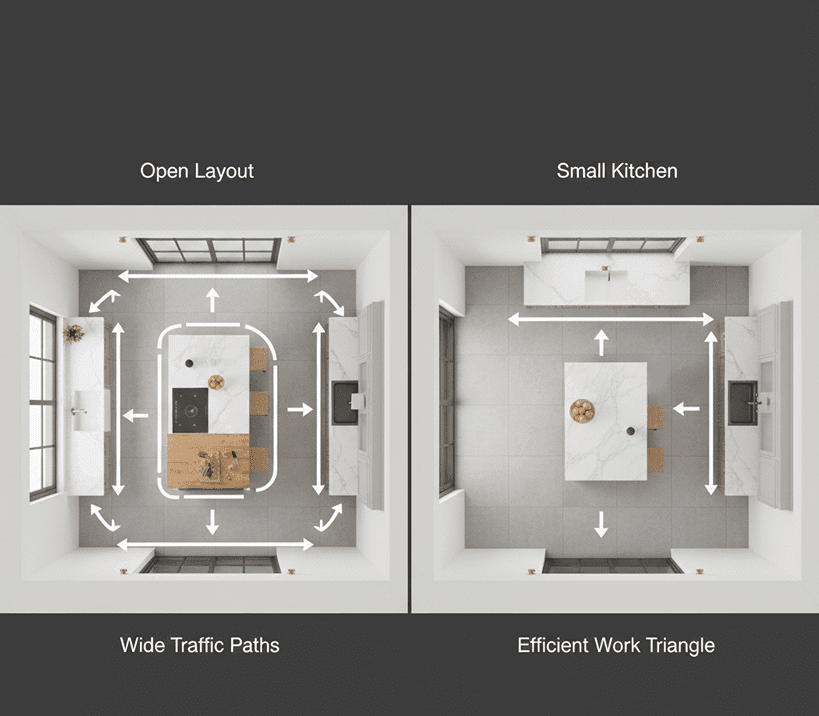
Even a perfectly sized island can feel wrong if it’s placed badly. Layout decides how easy the kitchen feels when you’re actually using it. The goal is simple: smooth movement, no awkward turns, and no blocked paths.
Kitchen island placement in different layouts
In an open kitchen layout, the island usually sits between the cooking area and the living or dining space. This works great because it keeps things social while still giving you a clear work zone. The mistake people make here is pushing the island too close to cabinets, which tightens walkways and makes the space feel cramped.
For small kitchen island design, placement matters even more. Sometimes a narrow island works better than a wide one. In some cases, skipping seating and using the island only for prep or storage makes more sense. If the island forces people to walk around it awkwardly, it’s probably too big for the room.
What works:
- Clear paths around the island
- Easy access to sink, stove, and fridge
- Enough room to open drawers and appliances
What doesn’t:
- Islands blocking doorways
- Tight corners where people bump into each other
- Oversized islands in small kitchens
If it feels tight when you walk through, it is tight.
Island vs peninsula
A lot of people get stuck choosing between an island and a peninsula. They look similar, but they behave very differently in real life. Here’s a simple way to think about island vs peninsula without overthinking it:
| Feature | Kitchen Island | Peninsula |
| Space needed | More | Less |
| Traffic flow | Better | Limited |
| Seating | Flexible | Fixed |
A kitchen island gives better movement and more flexible seating, but it needs room to breathe. A peninsula attaches to existing cabinets, which saves space but can slow down movement if the kitchen gets busy.
Rule 4 – Seating Needs Clear Rules
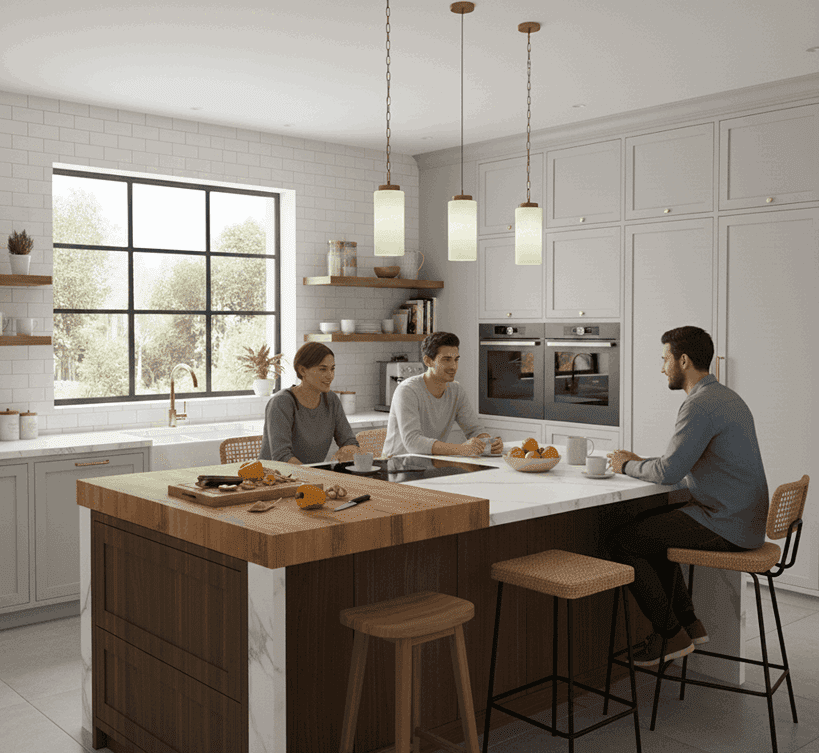
Seating might seem easy just throw a few stools around the island, right? Nope. Mess that up, and suddenly your island feels cramped, awkward, and nobody wants to sit there. Getting the basics right makes a huge difference, especially if you use the island for breakfast, casual meals, or even kids’ homework.
Kitchen island seating rules explained simply
Kitchen island seating rules aren’t complicated, but people often ignore them. Each person needs enough elbow room and leg space. Cramping three adults into a 4-foot island isn’t comfortable, no matter how cute your stools are.
A quick guide for kitchen island seating dimensions:
- Each person needs roughly 24 inches of width
- Depth for legs should be about 14–16 inches
- Keep traffic behind stools in mind people shouldn’t bump into seated diners
The idea is simple: think about how people actually use the space, not just how it looks in a photo.
Overhang, stools, and comfort
The countertop overhang is what lets people tuck their legs under the island. Too short and knees hit the cabinetry. Too long, and it feels awkward to reach the surface.
When picking bar stools for kitchen island, consider height, backrest, and mobility. Swivel stools are popular because you can twist and get up without moving the whole chair. Backless stools save space, but backed ones are more comfortable for long meals.
Quick tips:
- Ideal overhang range: 12–15 inches
- Space per person: at least 24 inches
- Backless vs backed stools: Backless for casual or small spaces; backed for comfort and long sitting
Seating isn’t just a design choice it affects how often people actually use the island. Done right, it becomes the most inviting spot in the kitchen.
Rule 5 – Storage and Function Come Before Style
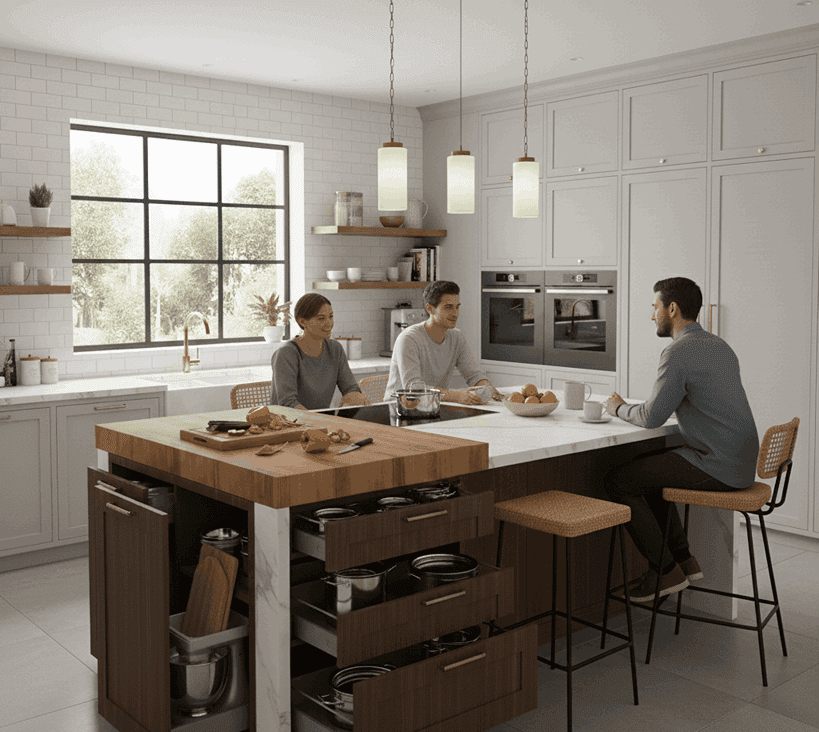
It’s tempting to pick a fancy island because it looks amazing on Instagram, but let me tell you if it doesn’t work for your daily life, it’s just furniture. Function beats style every time. A kitchen island should make life easier, not harder.
Kitchen island storage ideas that actually work
When it comes to kitchen island storage ideas, think about what you actually use every day. Deep drawers vs cabinets? Drawers are awesome for pots and pans you can see everything at once without digging. Cabinets are better for taller stuff like cookie sheets or appliances.
Don’t forget the little helpers like trash pull-outs they make cleaning up so much less annoying. And if you plan smart, your island can hold your daily-use storage like cutting boards, knives, or that mixer you use every morning.
The trick is storage efficiency: keep frequently used items accessible, and tuck the rarely used stuff away. That way your counters stay clear, and cooking doesn’t feel like a maze.
Sink, cooktop, or nothing at all?
Some islands have a sink or a cooktop, some don’t. A island with sink or cooktop can be amazing for serious cooking, but it comes with a few things to think about. You’ll need island ventilation if you’re cooking there, and plumbing or gas lines can make installation trickier.
Pros:
- Makes prep easier
- Can turn the island into a full work zone
- Great for social cooking
Cons:
- Harder to clean if you’re spilling stuff
- Less countertop space for seating
- More expensive and complicated to install
If your island is mostly for storage, seating, or casual prep, skipping a sink or cooktop might actually be smarter. It frees up space and keeps the kitchen feeling open.
Rule 6 – Style Should Support the Kitchen, Not Fight It
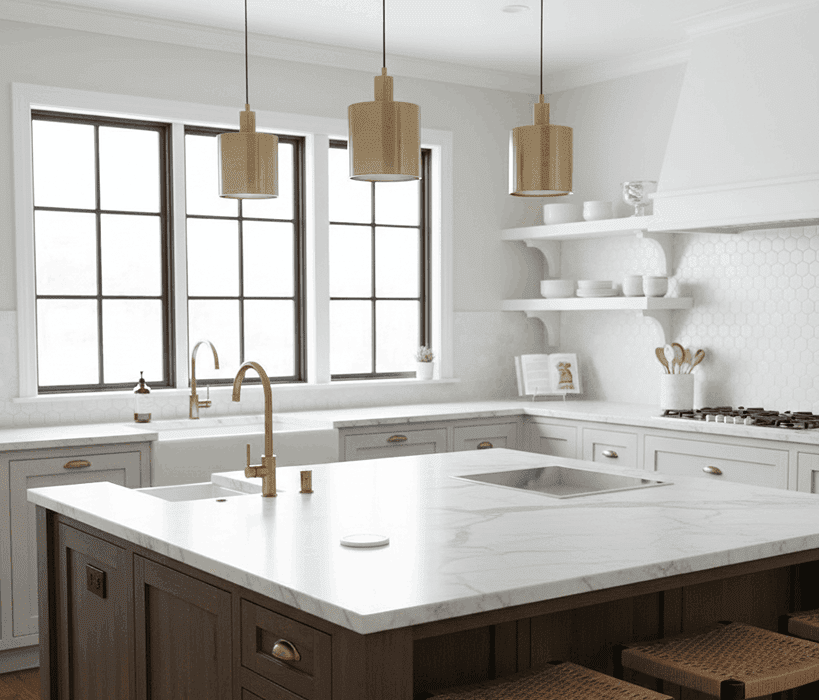
It’s easy to get carried away with looks after all, a kitchen island can be the star of the room. But here’s the thing: style should help the kitchen, not make it harder to use. A pretty island that doesn’t fit your space or workflow just becomes a bumping hazard.
Making the island a focal point (or blending it in)
Decide early if your island is going to stand out as a focal point or blend with the rest of the kitchen. A modern kitchen island with sleek lines and a bold color can make a statement in a neutral kitchen, but make sure it still feels easy to move around. On the flip side, a farmhouse kitchen island with natural wood tones and rustic charm blends in while still being functional.
The key is balance. If the island is too flashy and doesn’t match the kitchen flow, it’ll annoy you more than it impresses guests. Personally, I like islands that are subtle but have little pops of personality something that feels lived-in, not showroom-perfect.
Lighting, outlets, and small details people forget
Here’s where most people slip up: the tiny stuff matters as much as size and style. Island lighting ideas aren’t just about looking good they make prep and cooking so much easier. A poorly lit island means squinting while chopping veggies, which is no fun. Pendant lights, under-counter LEDs, or even adjustable track lights can make a huge difference.
And don’t forget island electrical outlets. Charging a phone, plugging in a mixer, or using a blender you’ll regret missing them. Even a small outlet panel tucked under the countertop can save daily frustration.
These small things lighting, outlets, placement affect daily use far more than you might think. A beautiful island that’s easy and pleasant to use will get more love than the fanciest one in a magazine.
Conclusion
A kitchen island should make life easier, not trickier. When you pay attention to measurements, figure out what you really need it for, give enough space to move, and think about how you’ll use it every day, the island suddenly becomes the heart of the kitchen. These Kitchen Island Design Rules aren’t just about looking good or following trends they’re about making the space comfortable, practical, and genuinely enjoyable.
If you want a deeper dive into sizing it perfectly, check out this guide on kitchen island dimensions. It’s super practical and helps make sure your island actually fits your kitchen instead of cramping it.